Machinery & Equipment Appraisals in Winnipeg and Manitoba
When equipment value needs to hold up — for a lender, a tax file, an insurance claim, or a transaction — you need an independent appraisal backed by professional credentials and a defensible methodology.
Value conclusions reflect the assignment, not a preferred outcome.
Written reports designed for business and third-party use.
Winnipeg-based with practical Manitoba commercial market knowledge.
Who requests equipment appraisal work
Machinery and equipment appraisals are typically initiated by one of three groups — each with a different reason for needing a credible, written opinion of value.
Business owners
Owners who need a credible opinion of value for machinery, equipment, trailers, or other business-use assets — whether for a sale, a financing file, an insurance matter, or internal planning.
Lawyers & accountants
Professional advisors who need a report that is independent, clearly reasoned, and aligned with the purpose of the file — whether tax, a transaction, an estate, or a dispute.
Lenders & finance users
Stakeholders assessing collateral, equipment-backed financing, or broader business assets where a written appraisal reduces uncertainty around security value.
What a machinery and equipment appraisal includes
A machinery and equipment appraisal is a professional opinion of value for physical business assets. Depending on the assignment, the opinion may address fair market value, orderly liquidation value, forced liquidation value, or another value premise appropriate to the intended use.
At Acadia Hill, each assignment begins with a clear understanding of the purpose of the appraisal, the assets involved, and the level of reporting required. The scope is built around the actual decision the appraisal is meant to support.
That typically includes reviewing asset lists, records, make and model details, age, condition, utility, marketability, and relevant secondary market context before arriving at a supportable conclusion and written report.

CPPA credential
Supported by the Canadian Personal Property Appraisers Group credential, alongside Acadia Hill’s broader valuation and business advisory expertise.
Assignments commonly involve:
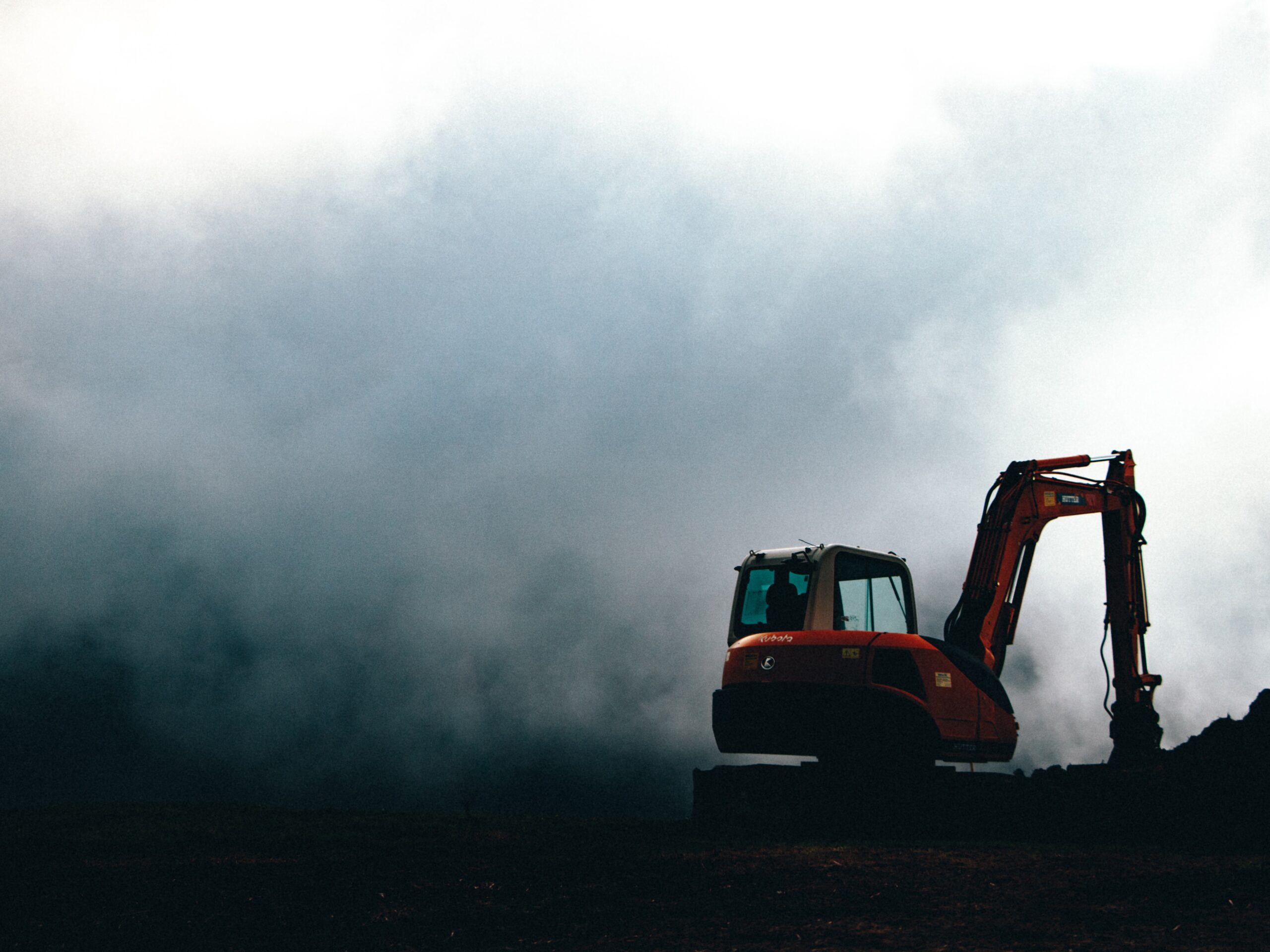
- Heavy equipment and construction equipment
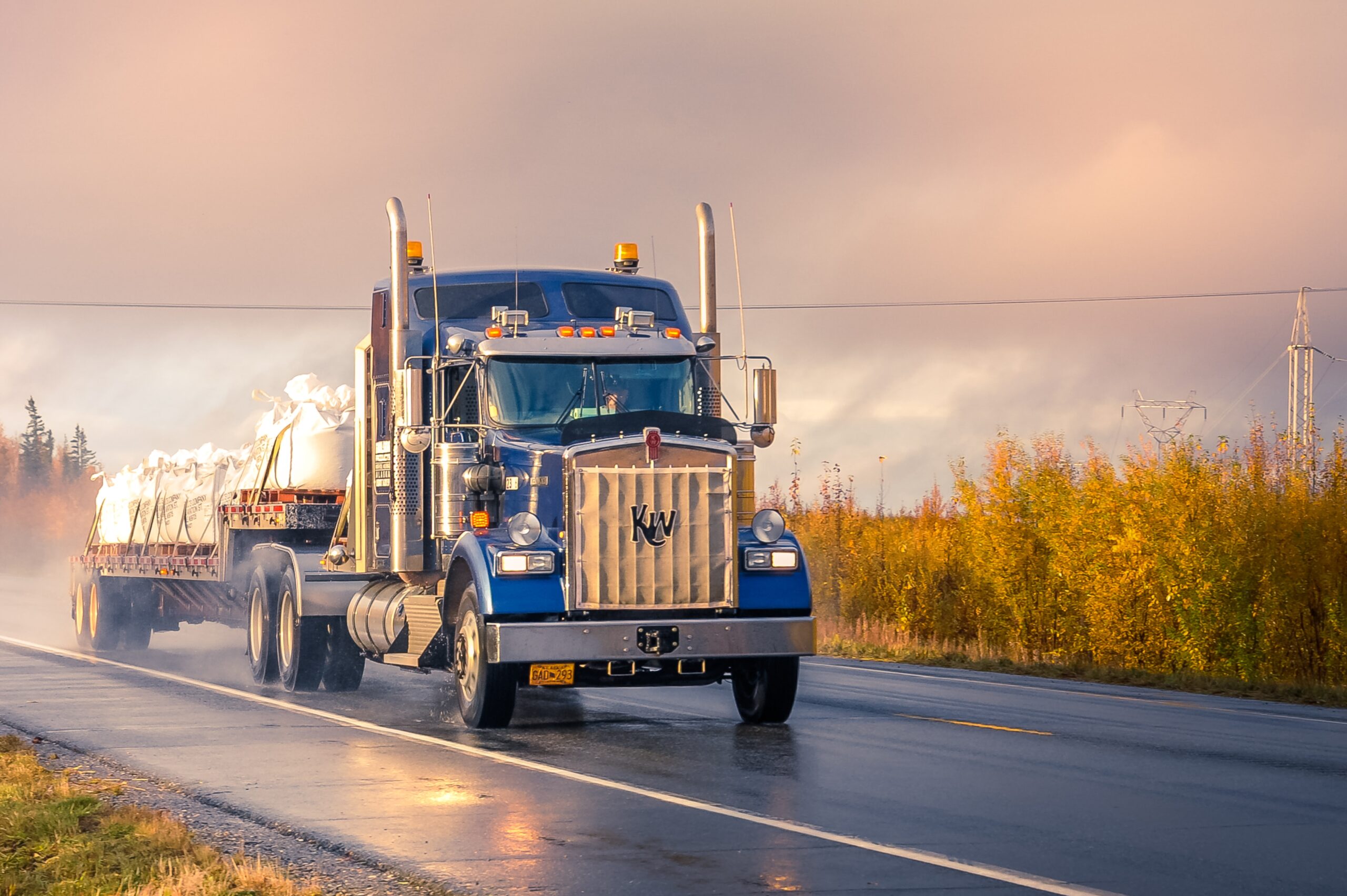
- Trucking and transport equipment
- Trailers and rolling stock
- Farm equipment and agricultural assets
- Restaurant equipment and commercial kitchen assets
- Manufacturing machinery and operating equipment
- Tools, shop equipment, and general business assets
If your equipment is part of a broader business transition, financing file, reporting need, or internal review, the appraisal can be framed to align with that context from the start.
Types of equipment commonly appraised
Assignments may involve individual assets, grouped equipment classes, or larger portfolios of business-use equipment across Winnipeg and Manitoba.
Heavy & construction equipment
Excavators, loaders, skid steers, compactors, lifts, and other construction-related machinery used in field operations and contracting businesses.
Trucking, transport & trailers
Transport equipment, trailers, and rolling stock used in commercial operations, logistics, hauling, and service businesses.
Farm & agricultural equipment
Agricultural and business-use equipment where utility, condition, market context, and asset mix all affect the valuation conclusion.
Restaurant & food service
Commercial kitchen and food-service equipment used in operating restaurants, hospitality businesses, and food production environments.
Manufacturing machinery
Production and shop assets used in fabrication, processing, and assembly environments where specialized equipment may carry meaningful value.
Tools & general business assets
Tools, shop equipment, and other tangible operating assets that support revenue-generating business activities across a wide range of industries.

Transparent pricing for equipment appraisal work
Fees are scoped to fit the assignment. A single asset and a multi-unit equipment portfolio require different levels of work — pricing reflects that.
For straightforward single-asset or small-scope assignments.
Single asset or small scope
One to a few assets with clear records, standard condition assessment, no site travel required.
Multi-asset or portfolio
Equipment lists, grouped asset classes, or assignments requiring broader market research and analysis.
Complex or site-inspection files
Specialized equipment, site visits, insurance or litigation-related files, or detailed professional reporting.
When a machinery or equipment appraisal is needed
The same asset can serve very different purposes in different files. The intended use shapes the scope, methodology, and format of the report from the start.
Financial reporting
Equipment appraisals may be required when a business, accountant, or advisor needs a supportable view of asset value for reporting, restructuring, review, or internal financial purposes.
Financing & lending
Lenders may need an equipment appraisal where machinery or rolling stock forms part of the collateral base. A credible report helps reduce uncertainty around security value.
Insurance claims
After a loss event or coverage issue, an appraisal may help establish a disciplined, independent view of the value of machinery or equipment tied to the claim.
Tax planning & reorganizations
Asset values matter in tax-related planning and reorganizations where machinery or equipment values should be supported carefully and in a professionally defensible way.
Purchase or sale of equipment
When equipment is being bought or sold, an appraisal helps owners, buyers, and advisors move beyond asking-price noise or anecdotal comparisons.
Internal planning
Some clients need a realistic understanding of equipment value for internal decision-making, capital planning, replacement budgeting, or business review purposes.
Why a dealer quote is not an appraisal
Owners and advisors sometimes treat a dealer estimate, an auction result, or an online listing as a stand-in for a professional appraisal. In casual conversations, that may be adequate. In a lending file, a tax reorganization, an insurance claim, or a legal matter, it is not.
A dealer has an interest in the transaction. An auctioneer reports realized prices, not current market value in continued use. An online listing reflects asking prices, not what comparable assets actually trade for.
An independent appraisal applies a defined value premise, a defensible methodology, and professional judgment — and produces a written conclusion that a lender, accountant, or lawyer can rely on.
Independent appraisal vs. informal estimate
Credentialed, independent, business-minded
Equipment appraisal work is only as useful as the judgment behind it. Acadia Hill brings professional credentials, local market knowledge, and a business advisory background to every assignment.
Independent CPPA-led work
Assignments are prepared as specialist machinery and equipment appraisal work — not a generic add-on. The credential and methodology reflect the actual purpose of each file.
Business-minded analysis
Acadia Hill’s broader valuation background supports assignments where equipment values intersect with financing, financial reporting, transactions, and professional advisory files.
Local Winnipeg & Manitoba focus
Based in Winnipeg with a practical understanding of regional commercial asset markets — not a generic national service with weak local context.
Clear, practical reporting
Reports are written to be understood and used — by the client, their advisors, and any third parties who need to rely on the conclusion in a professional context.
How equipment value is determined
The right methodology depends on the purpose of the appraisal. A lending file, an insurance claim, and a tax reorganization may each call for a different value premise.
Fair Market Value in Continued Use
The price a willing buyer would pay a willing seller for equipment in its current location and operating condition, assuming continued use in the business. Common in financing, tax planning, and financial reporting contexts.
Orderly Liquidation Value
The estimated gross amount realizable from a properly marketed and reasonably timed sale. Relevant in lending and collateral contexts where recovery value under a liquidation scenario is the key question.
Forced Liquidation Value
The estimated gross amount realizable from a sale under time-constrained or forced-sale conditions. Used in distressed or enforcement contexts where a quick disposal is assumed.
The appropriate value premise is confirmed at the outset of every assignment. The approach is selected based on the intended use of the report and the facts of the file — not a one-size template.
Five steps from inquiry to report
No surprises on scope, timeline, or cost. The assignment is confirmed before work begins.
Initial discussion
Clarify the purpose of the appraisal, the assets involved, and the timeline.
Information gathering
Review the equipment list, available records, serial details, photos, and supporting documentation.
Scope confirmation
The assignment is scoped and the fee confirmed before any analysis begins.
Analysis & valuation
Assess condition, utility, secondary market context, and the value premise relevant to the file.
Report delivery
A written appraisal report — clear, practical, and suited to the intended use.
Serving Winnipeg and businesses across Manitoba
Acadia Hill is based in Winnipeg and provides machinery and equipment appraisal services for clients across Manitoba. Whether the assignment involves a local operating business, a lender file, transport assets, farm equipment, construction equipment, trailers, or a broader portfolio of business-use assets — the goal is the same: credible, independent work responsive to the actual use case.
Common equipment appraisal questions
What is a machinery and equipment appraisal?
A professional opinion of value for physical business assets — including heavy equipment, construction machinery, transport equipment, trailers, farm equipment, restaurant equipment, tools, and other operating assets — prepared using a defined value premise and defensible methodology.
How is an appraisal different from a dealer quote?
A dealer has an interest in the transaction. An independent appraisal applies a defined value premise (such as fair market value or orderly liquidation value), a documented methodology, and professional judgment — producing a written conclusion that lenders, accountants, and lawyers can rely on.
When should I get an equipment appraisal?
Common reasons include financial reporting, financing and collateral assessment, insurance claims, tax planning, equipment purchases or sales, and internal planning where a supportable written opinion of value is required.
What value premises do you use?
The appropriate premise — fair market value in continued use, orderly liquidation value, or forced liquidation value — is confirmed at the start of every assignment based on the intended use of the report.
What information is needed to start?
Typically an equipment list, asset descriptions, make and model details, year, condition information, photos if available, and the purpose of the appraisal. Most files can be scoped in a single conversation.
Do you serve clients outside Winnipeg?
Yes. While Acadia Hill is Winnipeg-based, the service supports machinery and equipment appraisal assignments across Manitoba. Travel and site inspection fees apply where on-site inspection is required.
Request an equipment appraisal quote
Most files can be scoped in a single conversation. Call or email with a brief overview of the equipment, the purpose of the appraisal, and your target timeline — no commitment required.
Tell us about your assignment
Complete the form and Acadia Hill will review the scope and respond promptly.